The archaeological site of Tamuda
Tétouan
Le site archéologique de Tamuda
 Free entry is granted to the Youth Pass Holders

Tétouan
Le site archéologique de Tamuda
Free entry is granted to the Youth Pass Holders
Description
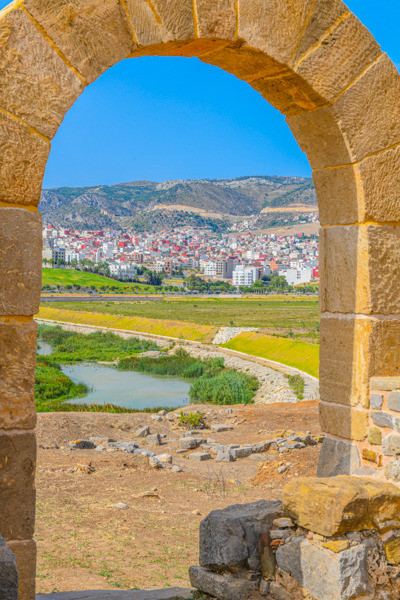
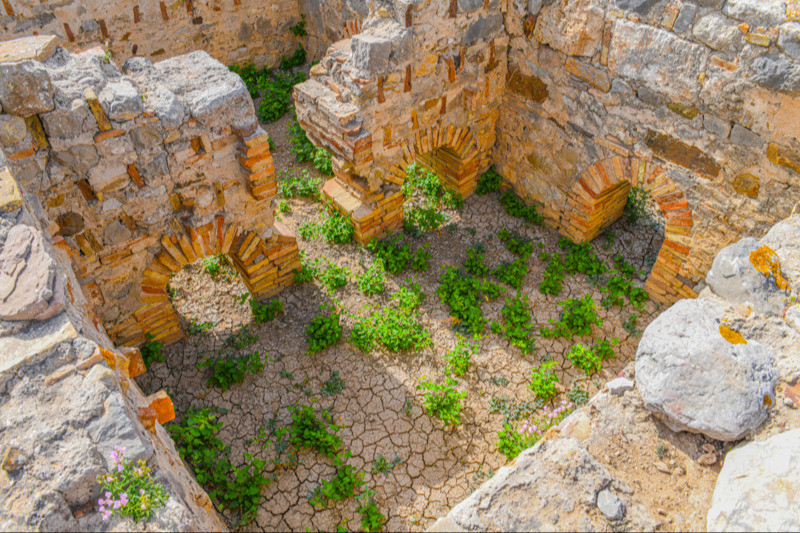
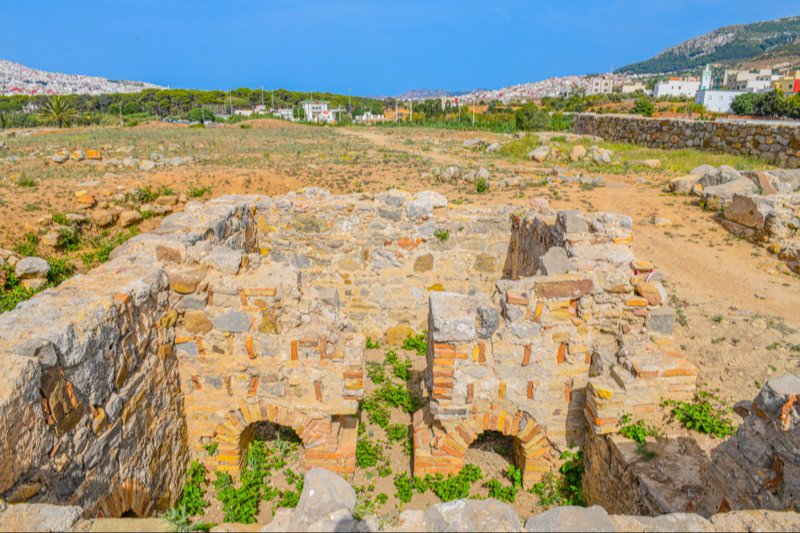
The Tamuda Archaeological Site is located 5 km southwest of Tetouan and about 10 km from the Mediterranean Sea. The site is mentioned by Pliny the Elder (79 AD), who referred to both the Tamuda River and a city by the same name. However, in the accounts of Pomponius Mela (45 AD) and Ptolemy (168 AD), only the Tamuda River is referenced. The site itself was discovered in 1921 by Spanish researcher César Luis de Montalban. Since then, both Moroccan and Spanish archaeologists have conducted excavations, uncovering remains from both the Mauritanian and Roman periods. Notably, the Roman army established a military camp atop the ruins of the Mauritanian town, which remained in use until the 5th century AD.
In 2005, the Ministry of Culture classified the site bas National Heritage and began implementing visitor infrastructure, including site conservation, a laboratory, ticket booths, two entrance/exit points and a tour circuit. Restoration work has since been carried out, and the site was officially opened to the public in January 2013.